Unsure about the difference between Zakat and Sadaqah?
You’re not alone!
Many Muslims often confuse the two, unsure when to give Zakat or when Sadaqah is more appropriate. This misunderstanding can lead to missed spiritual growth opportunities and financial benefits for those in need.
By distinguishing between Zakat and Sadaqah, you can maximize the spiritual and social benefits of both forms of giving.
Let’s dive into the key differences and discover how each charity serves a unique purpose.
What is Zakat?
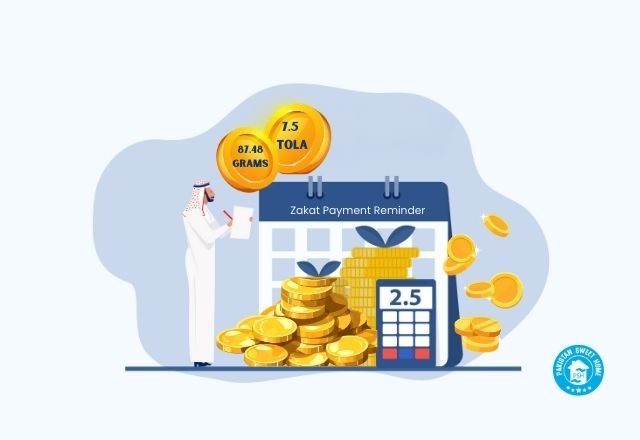
Zakat, derived from "zaka" meaning increase and purification, is a mandatory annual payment of 2.5% of wealth. It’s part of the five pillars of Islam and is required for Muslims above the Nisab threshold.
Sadaqah comes from the word “Sidq,” which means truth. It includes acts of kindness done willingly.
Unlike Zakat, Sadaqah isn't mandatory, and there's no fixed amount or specific things to give. It's a personal way to be generous, whether through money, consoling someone, or teaching about Islam.
Certain liabilities can be deducted from the Zakat calculation
No calculation involving deduction of liabilities
Zakat and Sadaqah are both important forms of charity in Islam, but they differ significantly. Zakat is a mandatory annual payment with specific recipients and strict rules regarding its distribution.
In contrast, Sadaqah is a voluntary act of charity with no set amount. It is given freely to anyone in need and can be done at any time. While Zakat purifies wealth, Sadaqah supports others and can take both monetary and non-monetary forms.
Additionally, the state can enforce Zakat, with penalties for non-payment, whereas Sadaqah is not obligatory.
Importance of Zakat and Sadaqah in Islam
Both Zakat and Sadaqah are fundamental acts of worship in Islam. They include essential values of compassion, social responsibility, and community welfare.
Allah SWT says in the Quran (Surah Al-Baqarah, 2:177):
“Righteousness is not that you turn your faces toward the east or the west, but [true] righteousness is [in] one who believes in Allah,
the Last Day, the angels, the Book, and the prophets and gives wealth, in spite of love for it, to relatives, orphans, the needy, the traveler, those who ask [for help], and for freeing slaves.”
“The upper hand is better than the lower hand. The upper hand is the one that gives, and the lower hand is the one that receives.”
(Sahih Al-Bukhari)
“Charity does not decrease wealth.”
(Sahih Muslim)
"Give charity quickly to prevent bad things from happening."
(Al-Tirmidhi)
Benefits of Zakat and Sadaqah
Zakat and Sadaqah bring the following benefits:
Purifies Wealth and Soul: Removes greed and selfishness, fostering gratitude and generosity.
Earns Rewards from Allah (SWT): Leads to spiritual growth and blessings in this life and the hereafter.
Reduces Poverty: Plays a crucial role in improving living standards and reducing inequality in society.
Fosters Unity: Strengthens bonds within the community, creating harmony and solidarity.
Promotes Social Justice: Ensures fair wealth distribution, addressing economic disparities.
Benefits the Giver and Receiver: Uplifts spirits and provides personal satisfaction to both the giver and the receiver.
Promote Generosity: Both emphasize generosity and encourage individuals to be selfless.
Fosters Empathy: Both encourage empathy and compassion by reminding individuals of the struggles of others.
Commonalities between Zakat and Sadaqah
Here are the three similarities between Zakat and Sadaqah:
Acts of Charity: Both Zakat and Sadaqah involve giving to those in need. These charitable acts strengthen the sense of community and create a society that looks after its most disadvantaged members.
Islamic Teachings: Both forms of charity are deeply encouraged by Allah (SWT) in the Qur’an and Hadith. Both are essential in Islam, reinforcing helping others and following Prophet Muhammad's (PBUH) teachings.
Universal Application: Zakat and Sadaqah are open to all Muslims, regardless of gender, social status, or wealth. Every Muslim who is able is encouraged to give, making these acts of charity inclusive and universally accessible to promote social welfare.
In conclusion, understanding the difference between Zakat and Sadaqah is essential for fulfilling our charitable duties. Both forms of charity hold immense importance in Islam, offering spiritual and social benefits for both the giver and the receiver.
While Zakat is a mandatory act of purification and wealth distribution, Sadaqah provides an opportunity for voluntary generosity. Despite their differences, both Zakat and Sadaqah help those in need, fostering community and empathy.
At Pakistan Sweet Home, orphan care is at the heart of everything we do. We provide each child with personalized attention, focusing on their emotional, educational, and physical well-being. Our goal is to create a nurturing environment where orphans thrive, grow, and feel truly loved.
Zakat is an obligatory charity, gathered from eligible individuals and given to eight groups mentioned in the Quran. The Waqf system is crucial in Muslim communities as it helps elderly, poor, and orphaned people by providing education, training, and business opportunities.
Ali Raza holds a Master of Arts in Islamic Studies and is an expert in Islamic theology and jurisprudence. Specializing in Zakat, Sadaqah, and other Islamic donations, Ali's writings provide valuable insights into the religious and ethical aspects of charity. His work for Pakistan Sweet Homes aims to educate and inspire readers to support orphan care and charitable initiatives, making him a key contributor to the organization's mission.