What happens when love turns into leniency?
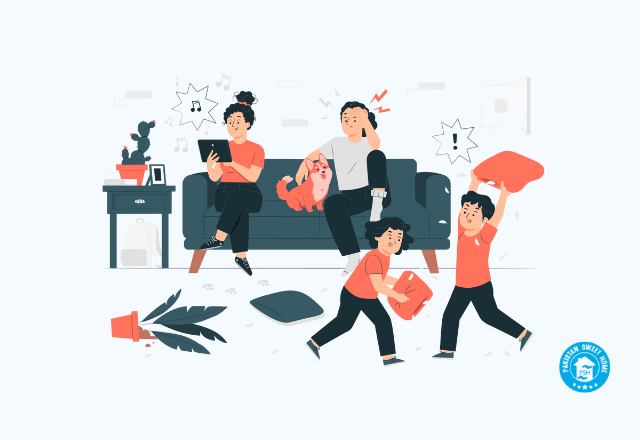
In today’s parenting culture, many moms and dads focus on keeping their children happy at all costs. They avoid conflict, skip discipline, and let kids call the shots—believing it builds confidence and closeness.
This parenting style, known as permissive parenting, may seem harmless at first. But without clear limits, children may struggle with discipline, self-control, and decision-making later in life.
Let’s dive into what permissive parenting is and how to find a healthier balance.
What is Permissive Parenting Style?
Permissive parents are warm and positive, allowing children to make choices with minimal restrictions or consequences. They step in when needed but generally provide little structure, fostering an environment of freedom. Children growing up in permissive households quickly realize they are loved and have the freedom to act as they wish.
This parenting style isn't always intentional; many permissive parents avoid setting rules because it feels like a hassle. Research shows that permissive parents often act selfishly, desiring fun and ease over strict discipline.
Diana Baumrind, a developmental psychologist, defines permissive parents as having low expectations for behavior or achievement. However, they lavish their children with attention and affirmation when the child seeks it.
Permissive Parenting Characteristics
Permissive parenting is marked by warmth and minimal rules or demands. This type of parenting differs from others due to its lenient attitude and low expectations for discipline. These parents focus on warmth and responsiveness but often lack consistency and discipline.
Here are its core characteristics:
- Warm and Nurturing: Permissive parents are affectionate, emotionally supportive, and prioritize a loving relationship with their children.
- Highly Responsive: They quickly meet their children's needs and desires, often putting comfort and happiness first.
- Lack of Structure: Rules and routines are minimal, leading to inconsistency in the child’s daily life.
- Few Boundaries: Parents avoid setting strict rules or enforcing discipline, allowing significant freedom.
- Low Expectations: Children aren't held to behavioral or responsibility standards like chores or study routines.
- Limited Guidance: Kids raised under permissive parents are allowed to make decisions on their own, often without parental support or direction.
- Difficulty Enforcing Limits: These parents give in to demands even when it goes against their better judgment.
- Struggle to Say “No”: They avoid conflict and prioritize keeping the child happy, often at the expense of discipline.
- Rare Consequences: Misbehavior is often overlooked or excused, with minimal consequences for poor actions.
- Desire to Be Liked: Being liked by the child is prioritized over setting limits, often resulting in a lack of boundaries and difficulty enforcing rules.
Causes of Permissive Parenting
Following are the causes behind permissive parenting and why some parents choose this approach.
- Prioritizing happiness: Parents choose permissive parenting to prioritize their child’s happiness and emotional well-being over strict rules.
- Desire for harmony: They believe a lenient approach fosters a positive environment and avoids conflicts, leading to a closer relationship.
- Parent-child friendship: Many permissive parents aim to be a friend, not an authority figure, assuming it encourages open communication.
- Influence of upbringing: Parents raised in strict households may opt for permissiveness to avoid repeating their childhood experiences.
- Avoidance of harshness: They associate discipline with harshness and emotional distance, so they prefer a more supportive, lenient approach.
- Lack of confidence in authority: Some parents feel uncomfortable or lack confidence in imposing rules, opting for permissiveness to maintain peace.
- Cultural influences: In cultures emphasizing individuality, permissive parenting is seen as a way to nurture independence and self-confidence.
- Modern parenting trends: Modern child-centered parenting often leads to permissiveness, as parents fear appearing too strict or controlling.
- Time and energy constraints: Busy schedules and stress can make it difficult for parents to enforce rules, leading them to choose a permissive style for ease.
- Single-parent challenges: Single or stressed parents may choose permissive parenting due to limited time, energy, and resources.
Effects of Permissive Parenting on Children
Permissive parents tend to be lenient and indulgent, offering minimal structure and few responsibilities to their children. As Dr. Meghan Downey, a licensed clinical psychologist, explains, "They often position themselves more as a 'friend' than a parent."
While this approach may seem to foster independence, it can have negative consequences. Parents are role models, and they might believe that allowing kids to act freely will encourage self-reliance. Without proper guidance, children may make poor choices that harm their long-term confidence and growth.
Some of the most common effects include:
- Lack of Self-Discipline: Children often struggle with self-control due to the absence of clear boundaries or consistent rules at home.
- Poor Academic Performance: With few expectations placed on them, children may lack motivation and structure, often resulting in low academic achievement.
- Poor Decision-Making Skills: Without firm guidelines or consequences, children may find it difficult to make responsible or informed choices.
- Risky and Defiant Behavior: Studies link permissive parenting to higher chances of substance use, delinquency, and disobedience, especially in adolescence.
- Emotional Instability and Aggression: Children raised in permissive homes may struggle with emotional regulation, especially when faced with frustration, disappointment, or stress.
- Lack of Self-Regulation: The absence of structure can lead to unhealthy habits—like excessive screen time, overeating, or irregular sleep—due to poor time and habit management.
- Weakened Social Skills: Though these children may be outgoing, they often lack cooperative skills such as sharing, turn-taking, and handling criticism due to minimal guidance on mature behavior.
Benefits of Permissive Parenting
Permissive parenting comes with its benefits. Parents who adopt this style are often emotionally supportive and in tune with their children's needs. In a world filled with growing pressures on kids, households with fewer expectations can offer a refreshing sense of ease.
These parents may also experience less stress themselves. By relying on their instincts and doing what feels right, permissive parents are less likely to feel guilt or shame about their choices. Here are some additional advantages of this parenting approach.
- Strong Emotional Bond: Permissive parents tend to be very affectionate and nurturing, fostering a close emotional connection with their children.
- Encourages Creativity and Independence: With fewer rules, children of permissive parents often feel freer to express themselves and explore their interests and creativity.
- High Self-Esteem: Due to the abundance of affection and approval, children often feel good about themselves, leading to higher self-esteem.
- Positive Relationship: Because permissive parents tend to avoid harsh punishments or conflicts, the parent-child relationship is typically positive, based on love and mutual respect.
- Lower Stress: The relaxed approach to discipline reduces household stress and tension, as there are fewer rules and consequences to enforce.
Examples of Permissive Parenting
Here are some common examples of permissive parenting:
"It's easier to just give them the candy now than deal with the meltdown later."
The parent avoids conflict by giving in to the child’s demands, prioritizing peace over consistency.
"They’re not tired yet, so why force them to go to bed? Let them stay up."
The parent neglects the need for structure by allowing the child to stay up without a set bedtime.
"I don’t want to be too harsh on them; they’ll figure it out on their own eventually."
The parent avoids discipline, believing the child will learn lessons naturally without intervention.
"I just wanted to end the crying, so I bought them the toy. They’re happier now."
The parent gives in to a tantrum, reinforcing the behavior that throwing a fit leads to rewards.
"I don’t want to restrict them too much. They should have the freedom to do whatever they want."
The parent avoids imposing limits, thinking that freedom will foster independence despite the need for boundaries.
"I don’t want to upset them by correcting their behavior. I just want us to get along."
The parent avoids correction to preserve harmony, often neglecting the child’s need for guidance.
"I let them choose because it’s their day, and they should have a say in what we do.”
The parent allows the child to make decisions, over-emphasizing autonomy and neglecting parental guidance.
"I just want to spoil them a little. They deserve the toys and treats, even without earning them."
The parent overindulges the child with material rewards, reinforcing the idea that they should get things without effort.
"It’s just one bad report card. I don’t want to make a big deal out of it."
The parent downplays academic issues, not addressing the need for accountability or improvement.
"The teacher isn’t doing enough to help them, or their friends are a bad influence. It’s not their fault."
The parent shifts blame to external factors, avoiding responsibility and not teaching the child accountability.
How Does Permissive Parenting Differ from Other Styles?
Permissive parenting is one of the four primary parenting styles, alongside Authoritarian, Authoritative, and Uninvolved parenting. The main distinction between these styles lies in the balance between responsiveness and demandingness.
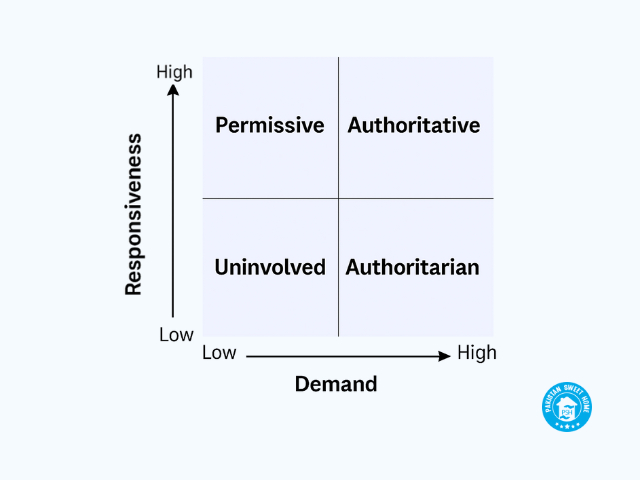
In permissive parenting, there is a high level of responsiveness (attentiveness to children's emotional needs) but low demandingness (few rules or expectations). In comparison, each style emphasizes these two aspects differently, shaping how parents interact with and discipline their children.
Permissive Parenting vs. Authoritarian Parenting
Permissive parenting features low demands but high responsiveness, while authoritarian parenting, often referred to as helicopter parenting, is characterized by high demands and low responsiveness.
Authoritarian parents impose strict rules without taking their child's opinions into account, which can result in rebellion and long-term mental health issues. Although they may have good intentions, they often lack an emotional connection.
Permissive Parenting vs. Uninvolved Parenting
Both permissive and uninvolved parenting share low demands, but uninvolved parenting also has low responsiveness, characterized by neglect and emotional detachment. Uninvolved parents focus more on their own needs than their child's, often providing only the necessities. This lack of engagement can lead children to feel neglected.
Permissive Parenting vs. Authoritative Parenting
Authoritative parenting is seen as the ideal style. It combines high responsiveness with high demands. Authoritative parents set boundaries while encouraging independence, validating emotions, and guiding their children to make thoughtful decisions. This approach results in disciplined, sociable children with better mental health and greater success in life.
How to Change Permissive Parenting?
Shifting your parenting style can be challenging for both you and your child. For you, it may feel like neglect if you start imposing consequences and reducing your responsiveness. For your child, accustomed to a more lenient relationship, they may react with extreme tantrums and increased demands.
It's important to recognize where permissive parenting falls within the quadrant. It is characterized by high responsiveness and low demands. To shift your approach, the key is to raise those low demands to higher expectations.
Here are some strategies to adopt a more authoritative parenting style:
- Use the Carrot-and-Stick Approach
This method involves offering rewards for good behavior and consequences for bad actions.
For example, allow your child to play video games after finishing homework, or take away video games due to poor grades.
While it's important to show love and affection, excessive indulgence can make your child believe they can escape the consequences of their actions. Offering rewards is fine, but spoiling can harm your child's growth. Instead of giving in when your child cries, explain why they can't have what they wants.
- Give Your Child More Responsibilities
Beyond chores, give your child ownership of tasks to teach accountability. When children feel trusted with responsibilities, they gain a sense of accomplishment and self-worth early on.
Set clear, understandable rules, and communicate the consequences for breaking them. Explain why they are in place rather than simply telling your child to follow the rules. Children are more likely to follow rules they understand.
In conclusion, Permissive parenting shows warmth and responsiveness but lacks structure, discipline, and consistent expectations for children. Its effects can include poor self-regulation, low academic achievement, and difficulty respecting boundaries. Avoiding discipline, giving in to tantrums, and excessive freedom show permissive parenting in daily life.
To change permissive parenting, it is essential to introduce consistent rules, assign responsibilities, and reduce overindulgence. Understanding permissive vs. other parenting styles helps choose a balanced, effective approach for child development.
To shift away from permissive parenting, it is crucial to introduce consistency and structure, which is something Pakistan Sweet Home, an exemplary orphans' home, provides. At PSH, children are not only cared for with love but also taught discipline and responsibility, ensuring they grow into well-rounded individuals.
Help Build an Orphan’s Future